A Church Waiting to Be Remembered
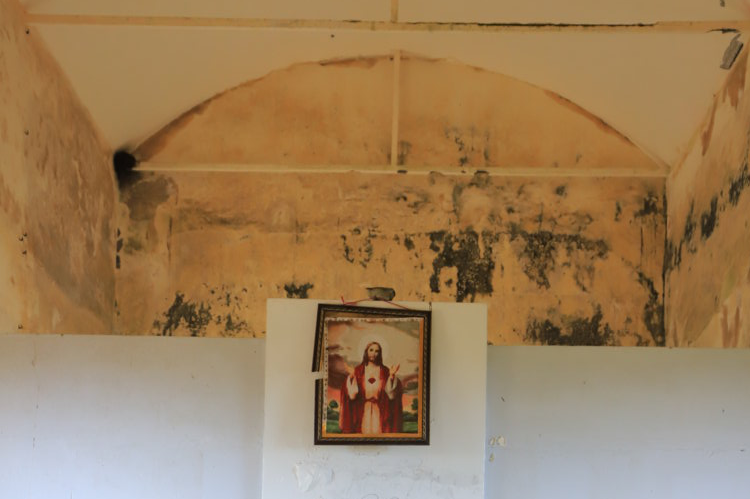
Not every forgotten structure disappears from human memory.
Some places continue to exist—not in everyday life, but at a deeper level, where memory does not vanish, but simply recedes for a time.
Bokor Church is such a place.
For many years, the building has no longer functioned as a space of worship. There are no regular Masses, no community gathered, none of the activities that once gave life to a church. Yet this absence does not mean that the place has been entirely forgotten.
For many, Bokor Church remains a point of reference.
Not a place to visit frequently, but a place to remember.
The memories associated with it do not exist in complete or clearly defined forms. They are fragmented, discontinuous, sometimes no more than faint impressions. Yet it is precisely this vagueness that preserves its particular presence—something not fully named, yet still felt.
Some know the church through stories passed down.
Some have visited it briefly.
Some have only seen it from afar, through the mist, yet still retain that image.
These memories are not the same.
Yet all contribute to an invisible bond between the place and those who recall it.
This is what sets Bokor Church apart from many other heritage sites.
It is not only an object to be preserved, but a place waiting to be reconnected with a community—not by imposing a new form, but by reawakening what once existed.
In this context, restoration cannot be limited to physical repair.
If the structure is restored yet remains “unremembered,” the restoration is incomplete.
To remember here does not mean nostalgia. It is the process of re-establishing a relationship.
A relationship between the place and people. Between space and experience.
Between a specific site and the meaning it carries.
This process does not happen instantly.
It requires time, presence, and opportunities for people to return—not only to see, but to feel, to pause, and to rediscover the value of the place within a new context.
Through this process, Bokor Church is not only restored. It is called back into life.
And it is precisely this return—however gradual—that allows the structure to truly live again.
For a church does not exist only through its walls.
It exists when it is remembered—and when that memory continues across time.
Bài viết khác
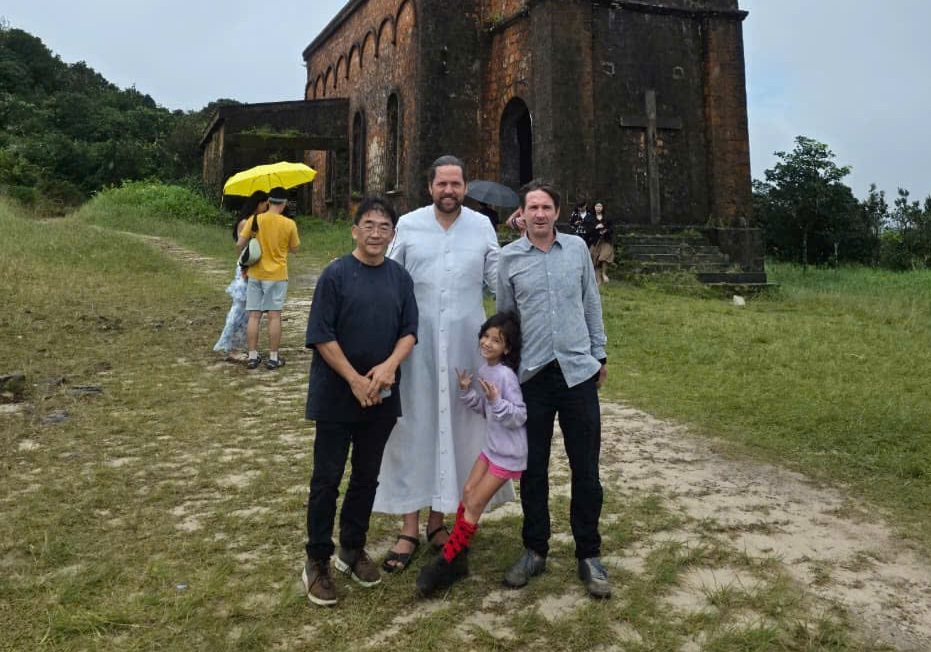
Professor Yoshiyuki Yamana Visits Bokor Church: Valuable Academic Support for Heritage Conservation
On Sunday, 18 October 2026, Professor Yoshiyuki Yamana of the Department of Architecture, Faculty of Science and Technology at Tokyo University of Science, visited the hi
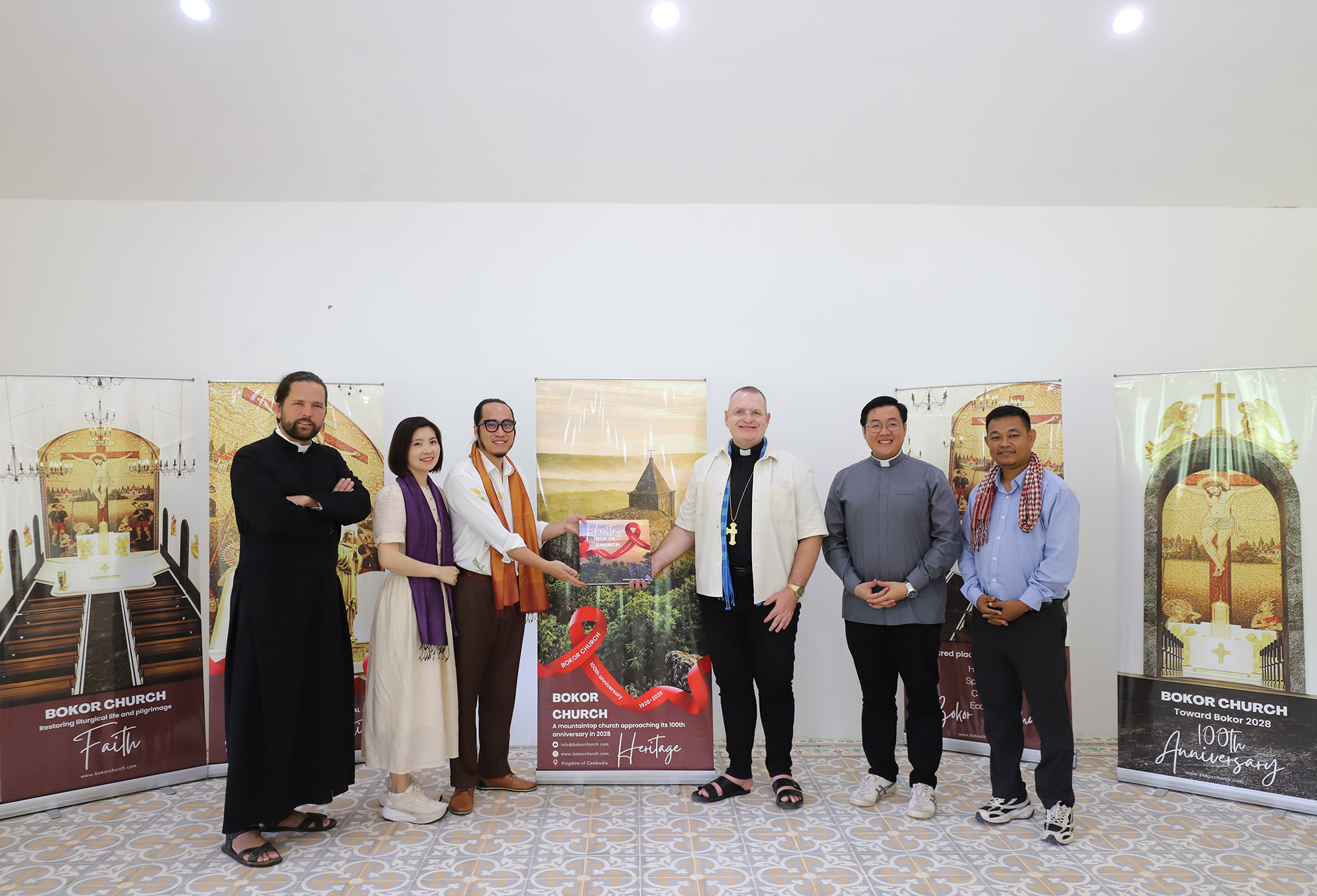
The Second Reunion of the Bokor Steering Committee
On Thursday, June 11, 2026, the Bokor Steering Committee convened its second reunion at the peaceful Eden Voar resort in Kep Province
-21-37-30-03.jpg)
PALM SUNDAY AT BOKOR CHURCH
On the morning of March 29, atop Bokor Mountain bathed in sunlight and wind, the Palm Sunday Mass