Reading the Stones of Bokor
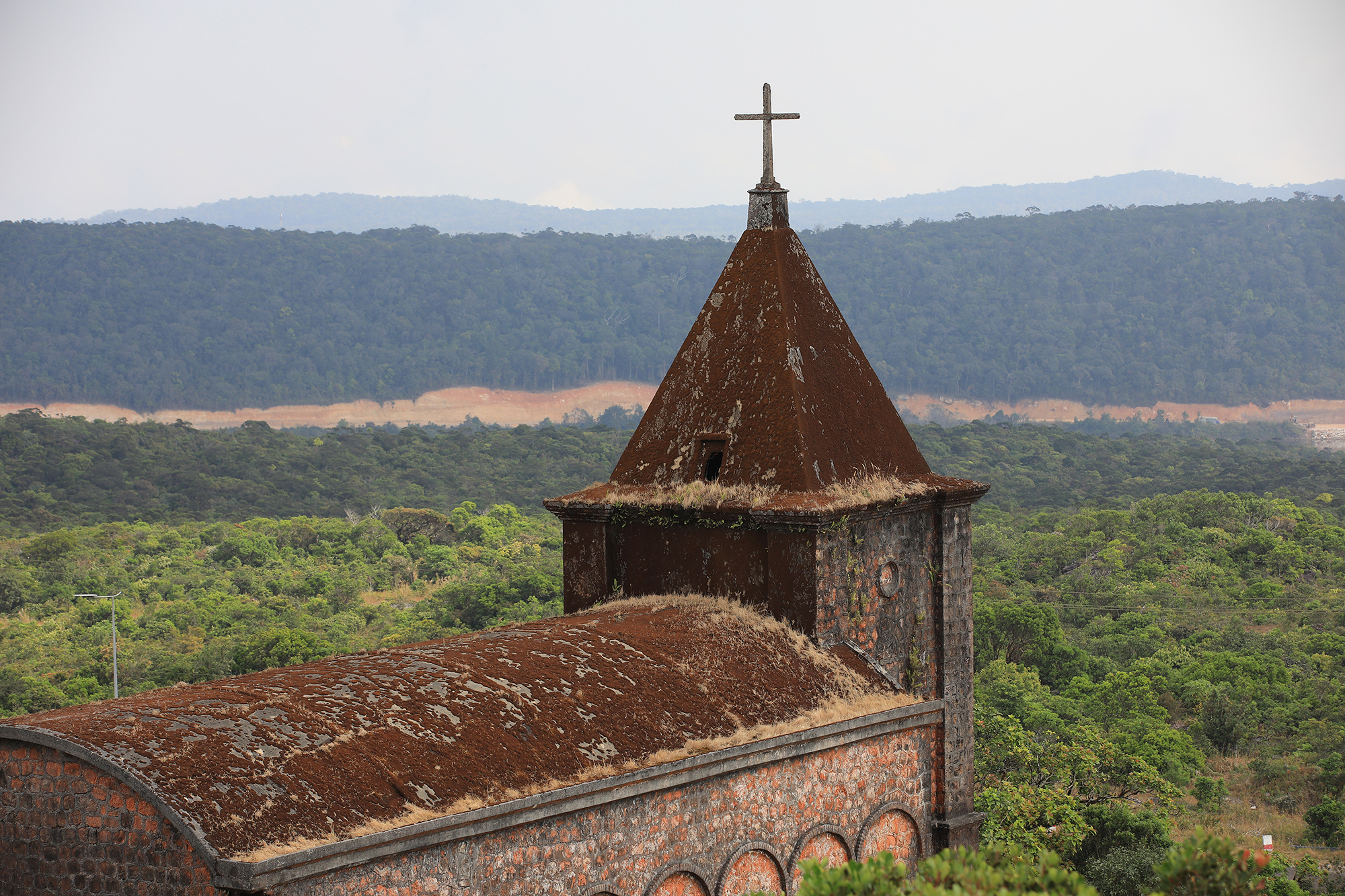
Every structure has its own language.
At Bokor Church, that language does not lie in ornamentation or refined details, but in the very stones that constitute the entire building. There is no mixture of materials, no finishing layers to conceal them—only stone, in all its rawness and honesty.
It is precisely this material unity that makes the building more legible, yet also demands a more attentive and sensitive reading.
Each stone does not merely serve a structural role. It carries information.
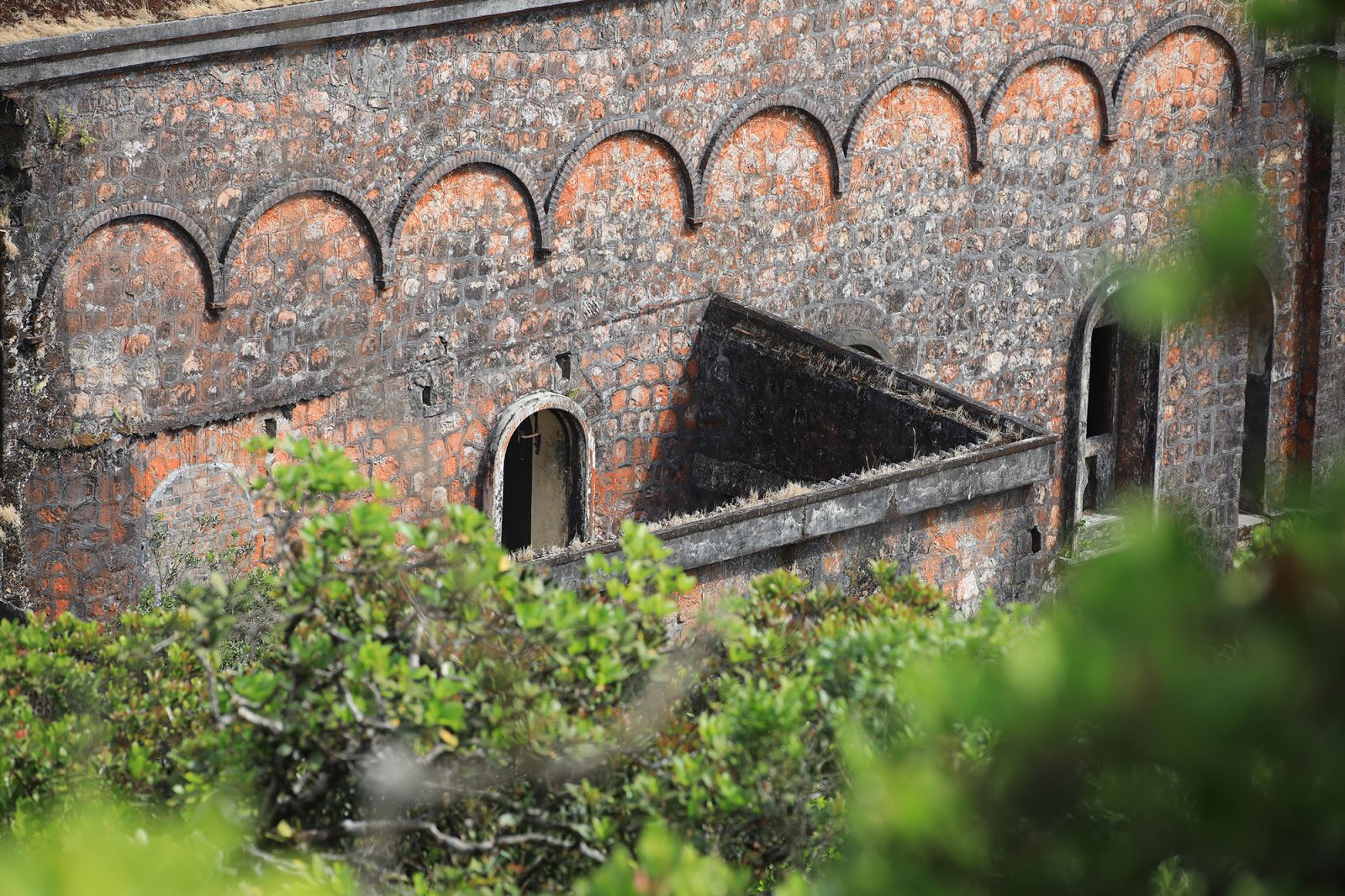
From the extraction of local stone, to the methods of arrangement and bonding, and even the way mortar joints have evolved over time—all reflect a specific construction process, closely tied to local conditions and the techniques of that period.
No two surfaces are entirely alike.
Some stones retain their original form. Others have been weathered, their edges softened over time. In certain areas, cracks, chips, or traces of external impact appear. These differences are not random.
They are the result of time, of the mountain climate, of high humidity, of wind, and of all that the structure has endured.
To read the stones of Bokor Church, therefore, is not merely to observe their appearance. It is to recognize their signs.
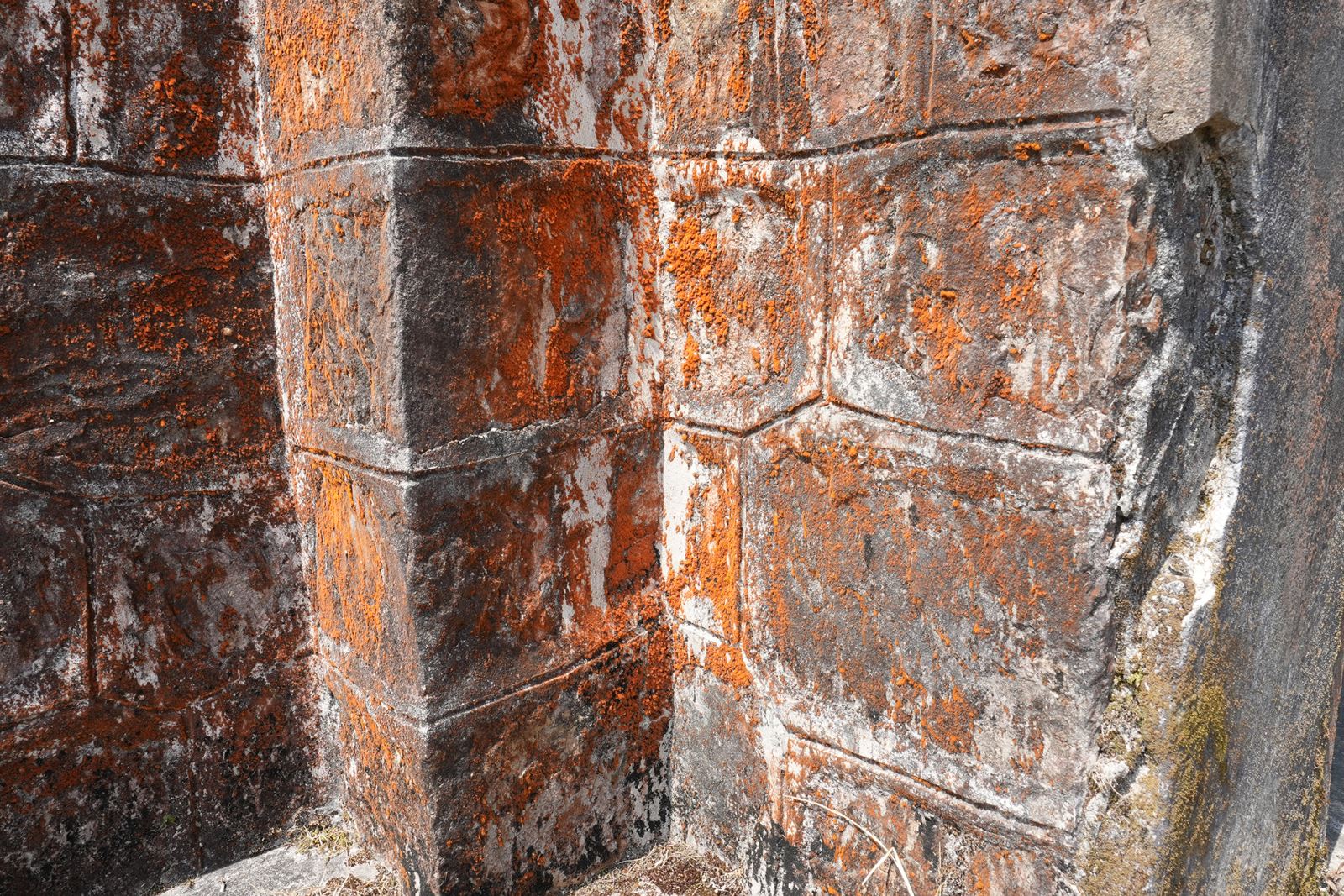
Signs of structure—where stability remains, and where weakness is emerging.
Signs of environmental impact—where moisture accumulates, where weathering is more severe. And signs of history—traces not formed by nature, but by events that have taken place.
In the process of surveying, what matters is not the search for perfection, but the understanding of the material’s actual condition.
A chipped stone is not simply a detail to be repaired. A cracked mortar joint is not merely a technical flaw.
Each sign must be placed within its context: when it appeared, what caused it, and how it is affecting the structure.
Only by correctly reading these small details can a broader understanding begin to emerge. Bokor Church is not a uniform mass.
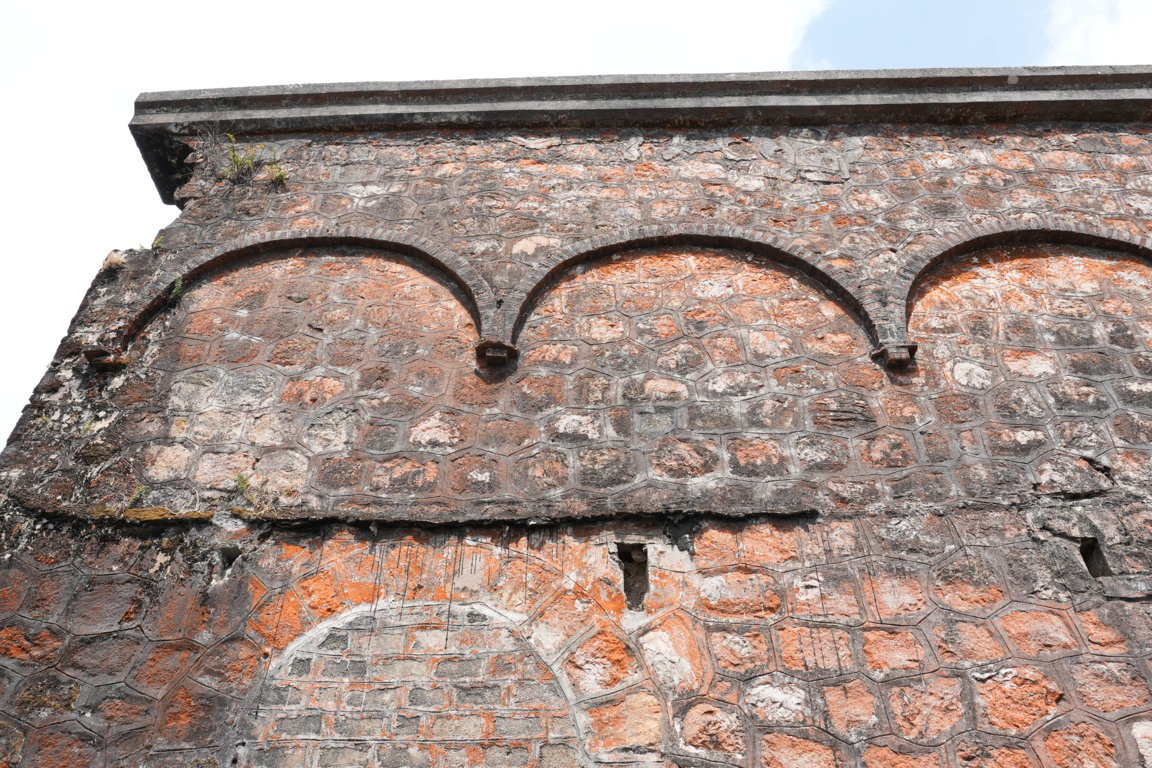
It is a system formed by thousands of material units, each carrying its own fragment of information. When approached with care, these stones are no longer static elements, but become a form of “document”—recording the life of the structure over time.
This understanding also establishes a clear requirement for restoration.
Materials cannot be approached simply with the aim of renewal or replacement. Every intervention must begin with understanding: understanding the structure, the condition, and the value of each remaining element. Only then can reinforcement or restoration be carried out with accuracy and responsibility.
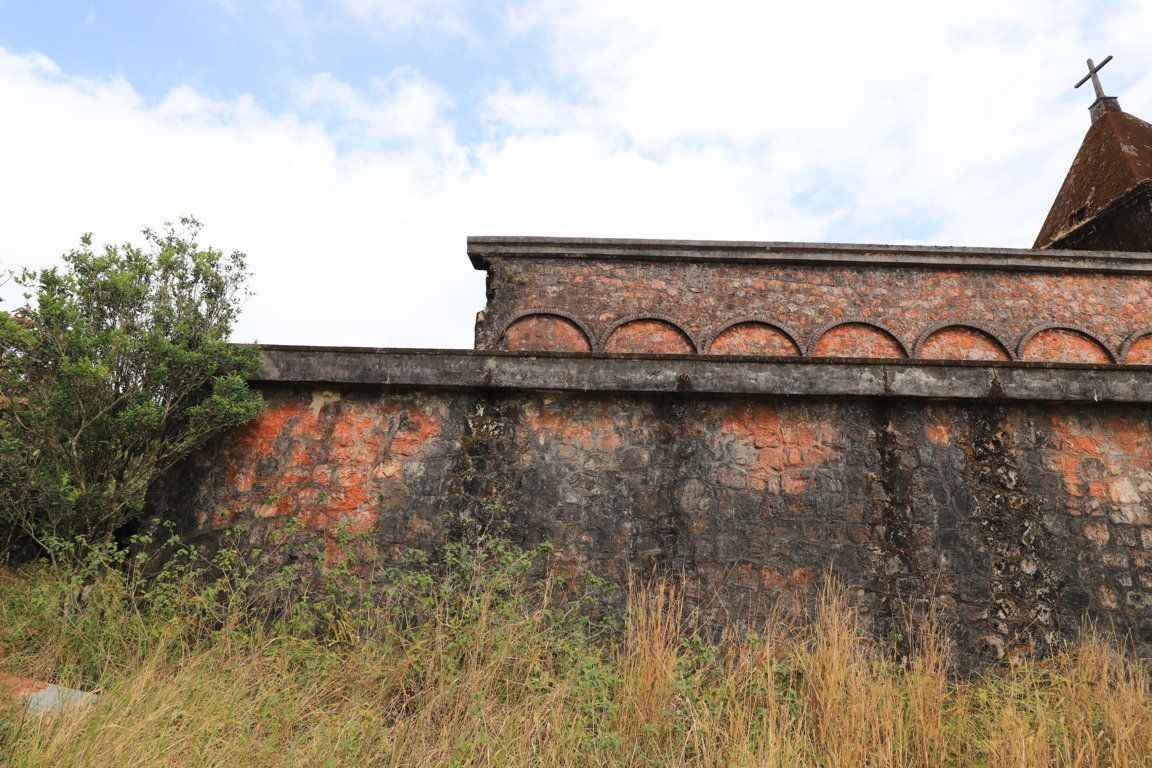
From a broader perspective, the stones of Bokor Church do not only tell the story of a building.
They tell the story of how people have built, have used, and have left their marks upon a specific place.
And it is through learning how to read these stones that the restoration journey can truly begin—grounded in understanding, rather than assumption
Bài viết khác
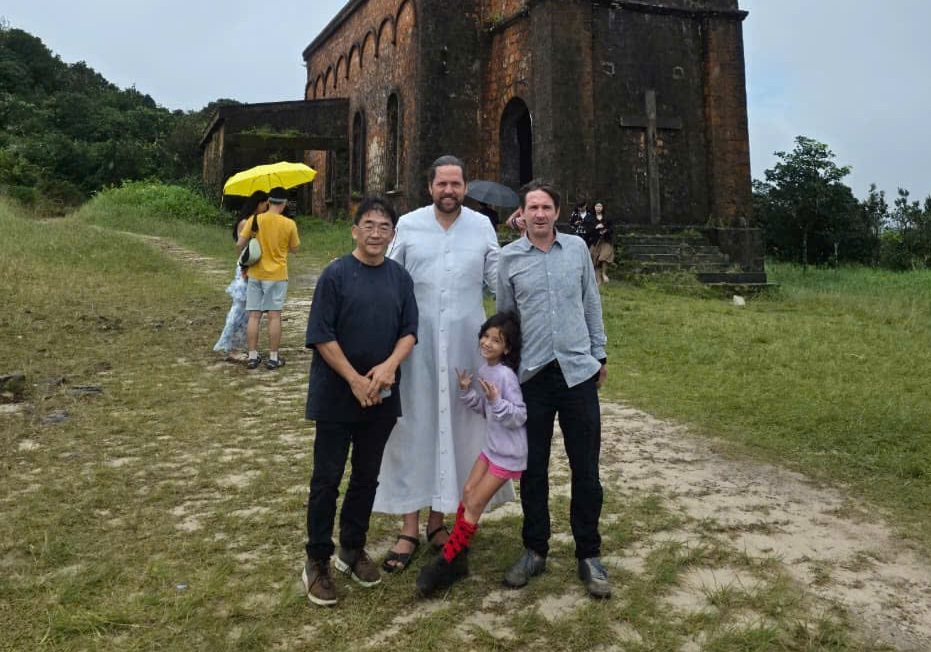
Professor Yoshiyuki Yamana Visits Bokor Church: Valuable Academic Support for Heritage Conservation
On Sunday, 18 October 2026, Professor Yoshiyuki Yamana of the Department of Architecture, Faculty of Science and Technology at Tokyo University of Science, visited the hi
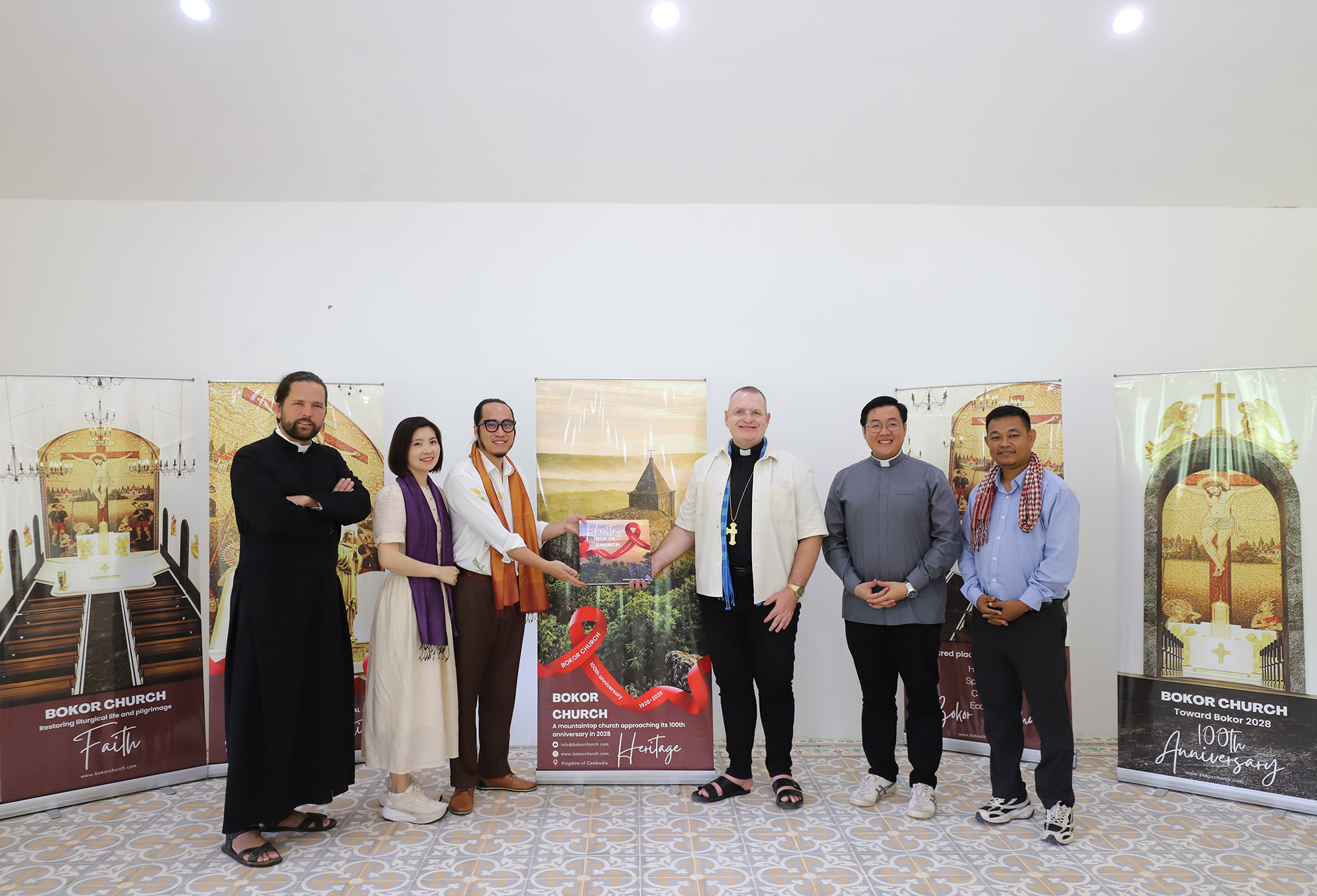
The Second Reunion of the Bokor Steering Committee
On Thursday, June 11, 2026, the Bokor Steering Committee convened its second reunion at the peaceful Eden Voar resort in Kep Province
-21-37-30-03.jpg)
PALM SUNDAY AT BOKOR CHURCH
On the morning of March 29, atop Bokor Mountain bathed in sunlight and wind, the Palm Sunday Mass