The First Meeting for the Future of Bokor Church
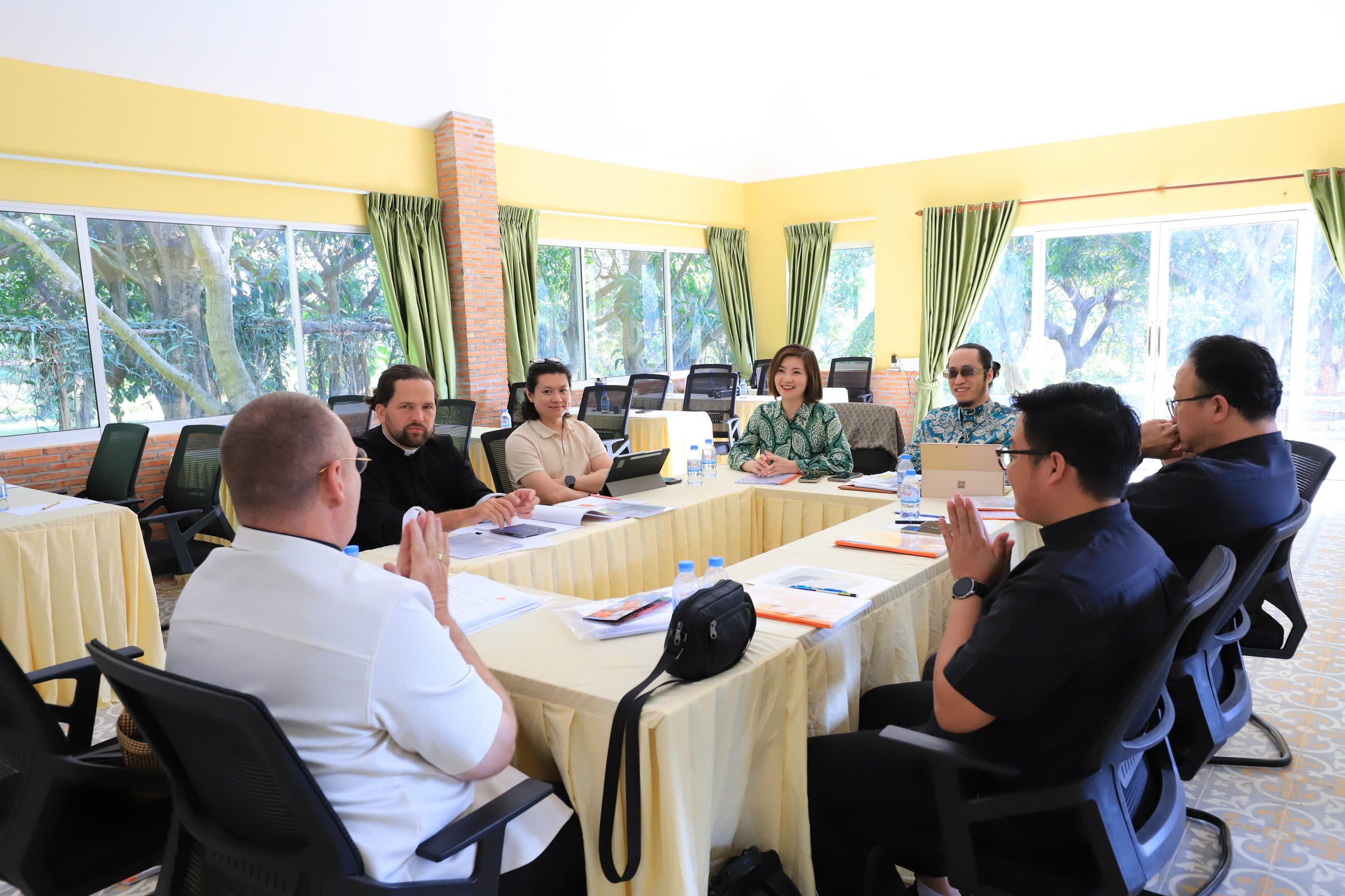
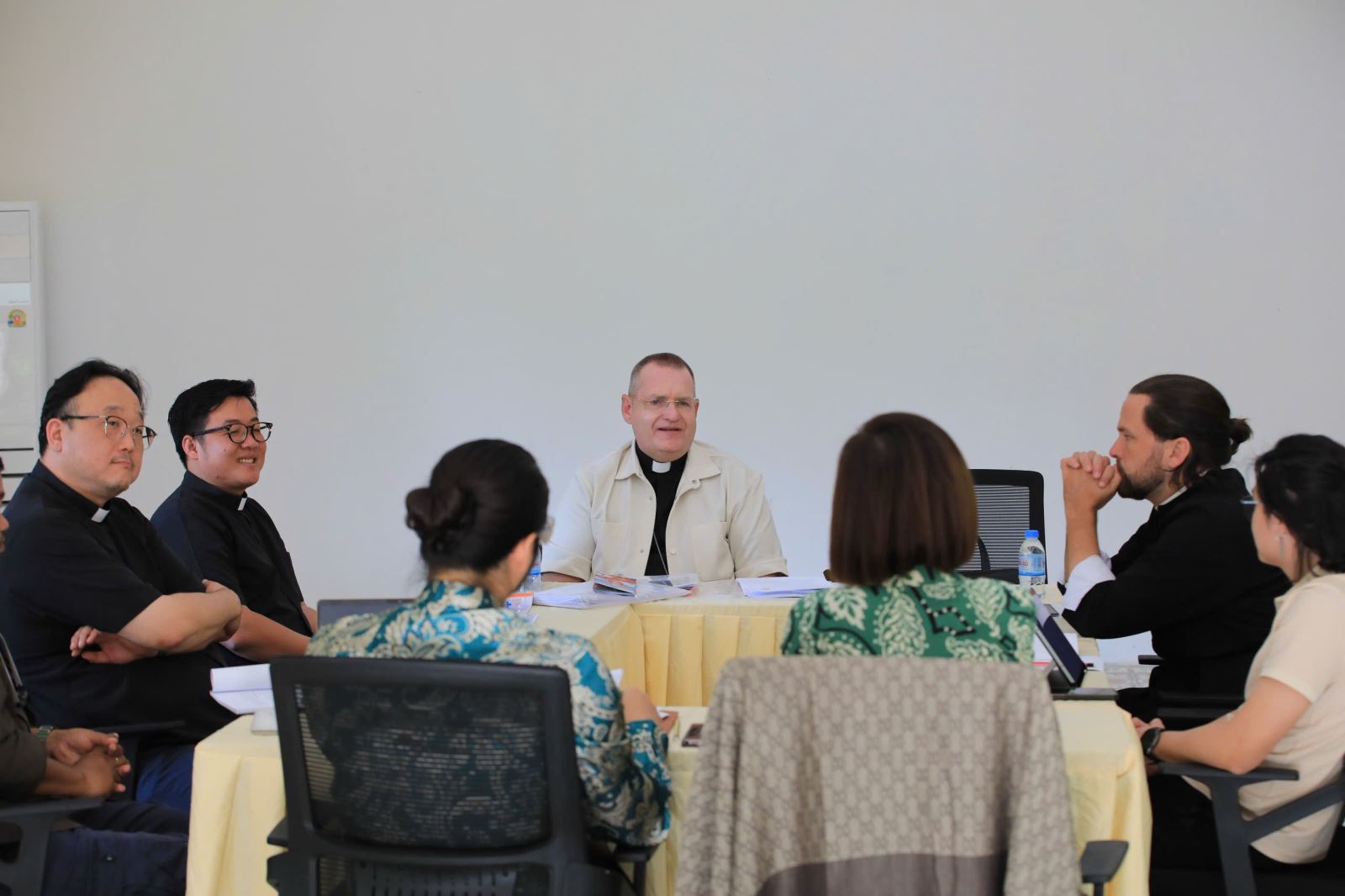
On the afternoon of January 15, 2026, at Eden Resort (Kampot), the first official meeting of the Bokor Church restoration project was held, marking an organizational and strategic beginning for the journey ahead.
The meeting was chaired by Bishop Olivier Schmitthäusler, Apostolic Vicar of Phnom Penh, with the presence of priests, pastoral collaborators, and invited members participating in the preparatory phase of the restoration.
During this session, a key decision was established: the formation of the Bokor Church Restoration Project Board.
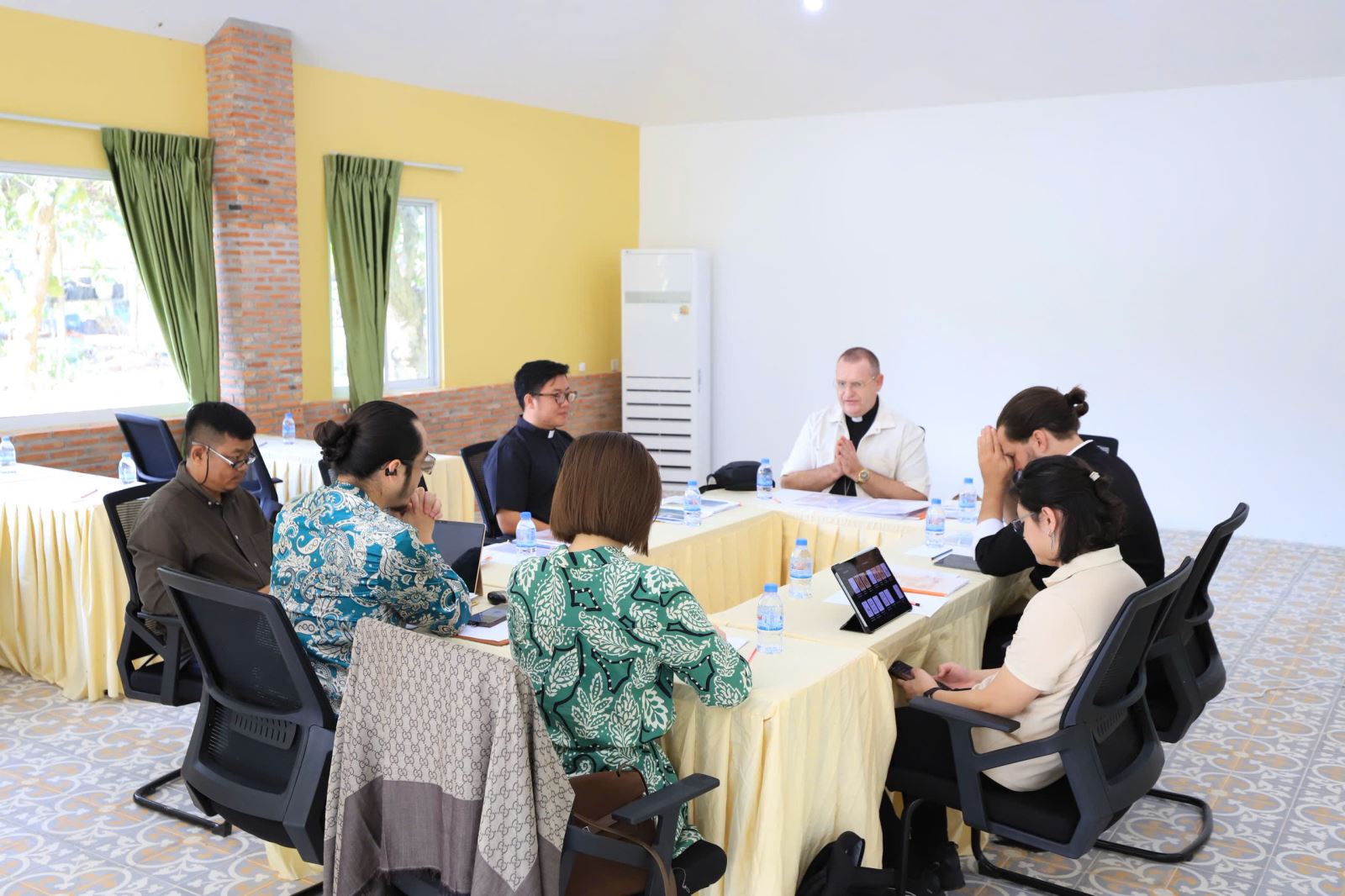
The Project Board was created to coordinate the upcoming phases—from historical research and site surveys to the development of conservation strategies and the preparation of concrete implementation steps. It is not merely an organizational structure, but a foundation for bringing together diverse fields of expertise toward a shared purpose.
The members of the Project Board include:
• Bishop Olivier Schmitthäusler
• Architect Anton Tung
• Fr. Will Conquer (Paris Foreign Missions Society)
• Fr. Daniel Yoon (Korean Missionary Society)
• Fr. Anthony Bunly (Phnom Penh Vicariate)
• Ly Sovanna (Catholic Communications Cambodia)
The presence of members from different backgrounds—pastoral, architectural, and communications—reflects the multidimensional nature of the project. The restoration of Bokor Church is not merely a technical undertaking; it requires the integration of faith, heritage, professional expertise, and community.
Throughout the discussion, the foundational principles of the project were clearly articulated.
First, Bokor Church is not to be seen simply as a structure in need of repair, but as a heritage site of significant historical, religious, and cultural value. This calls for an approach grounded in respect for authenticity, as well as careful consideration in every intervention.
At the same time, the church’s location within Preah Monivong Bokor National Park introduces a clear requirement: all project-related activities must maintain a balance with the natural environment, minimizing impact on the surrounding ecosystem.
Another important point emphasized during the meeting was the long-term vision for the church after restoration. Bokor Church is not only to be physically restored, but also to be reactivated as a living space of faith—where prayer, pilgrimage, and liturgical life may once again take place in the future.
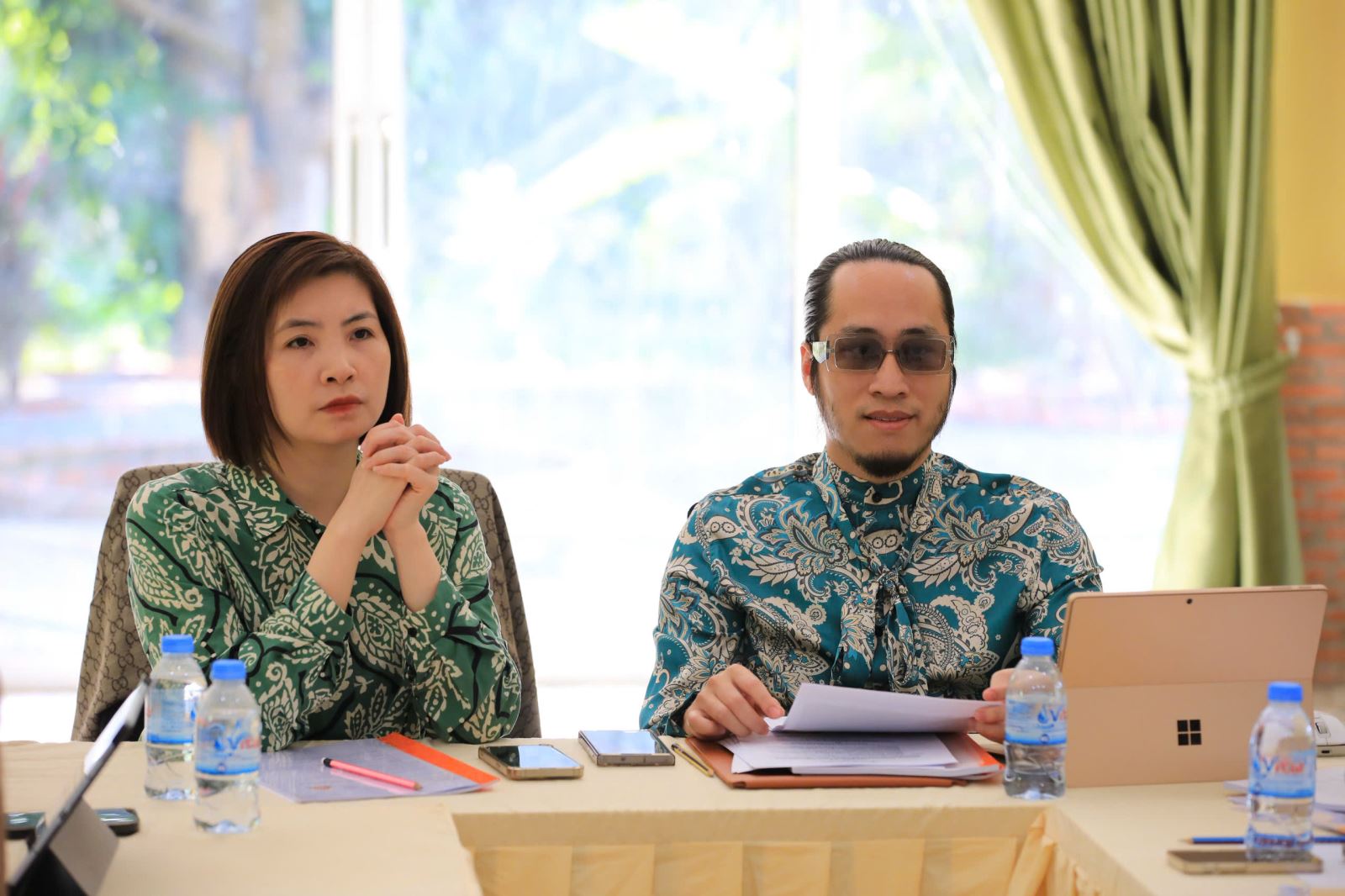
The atmosphere of the meeting was focused yet calm. Ideas were exchanged openly, in a spirit of listening and mutual respect. This was not a meeting aimed at immediate conclusions, but rather a first step toward building a shared foundation.
By the end of the session, one thing had become clear: the restoration of Bokor Church was no longer an idea under consideration—it had formally entered a phase of concrete formation, with people, structure, and a shared direction.
From Kampot, the journey would continue upward toward the mountain—where Bokor Church still stands in silence, waiting to be approached with understanding and responsibility.
Bài viết khác
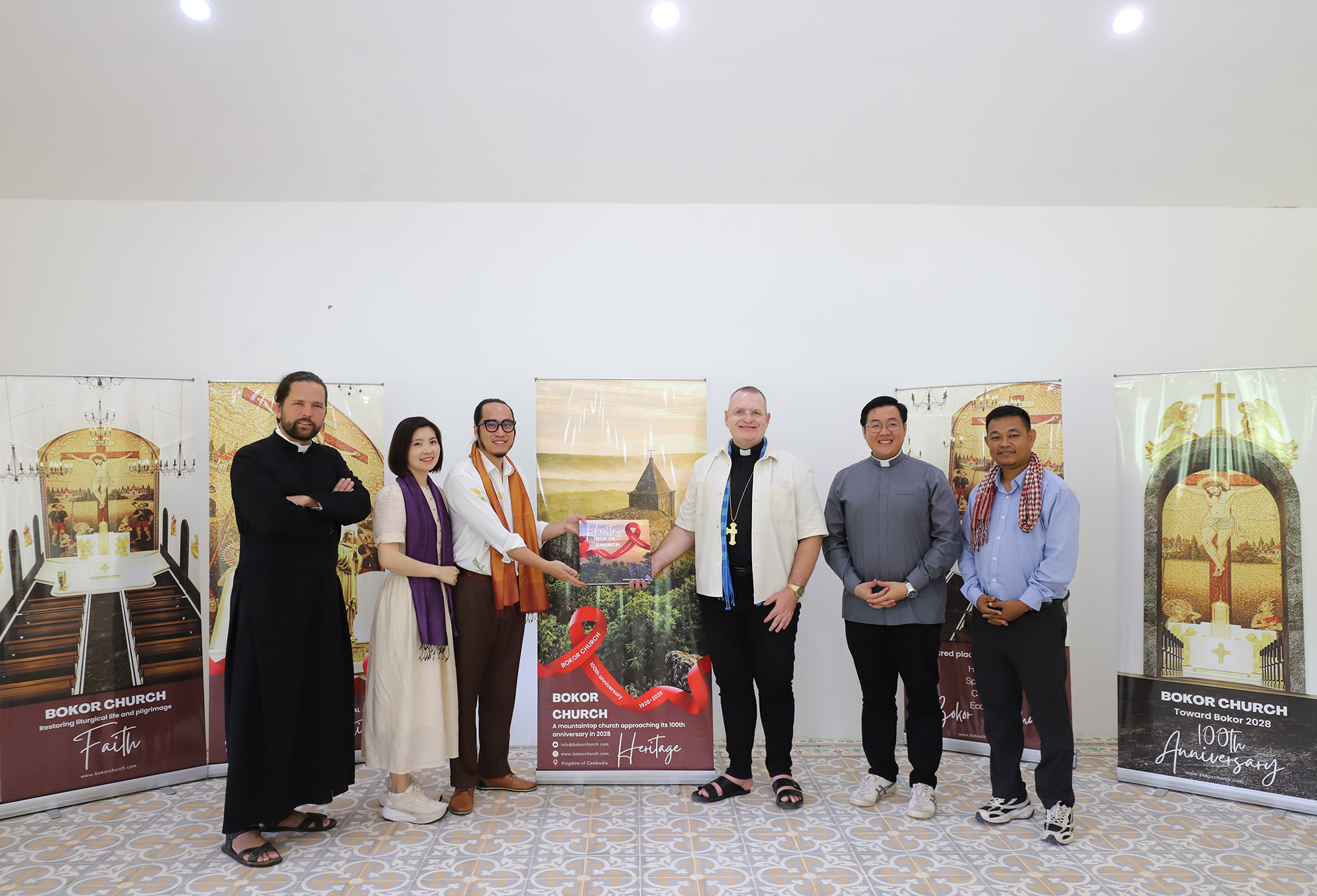
The Second Reunion of the Bokor Steering Committee
On Thursday, June 11, 2026, the Bokor Steering Committee convened its second reunion at the peaceful Eden Voar resort in Kep Province
-21-37-30-03.jpg)
PALM SUNDAY AT BOKOR CHURCH
On the morning of March 29, atop Bokor Mountain bathed in sunlight and wind, the Palm Sunday Mass
-15-59-24-03.jpg)
The Liturgical Future of Bokor
A religious building is only truly complete when it is used according to its original purpose.