The First Steps Toward Restoration
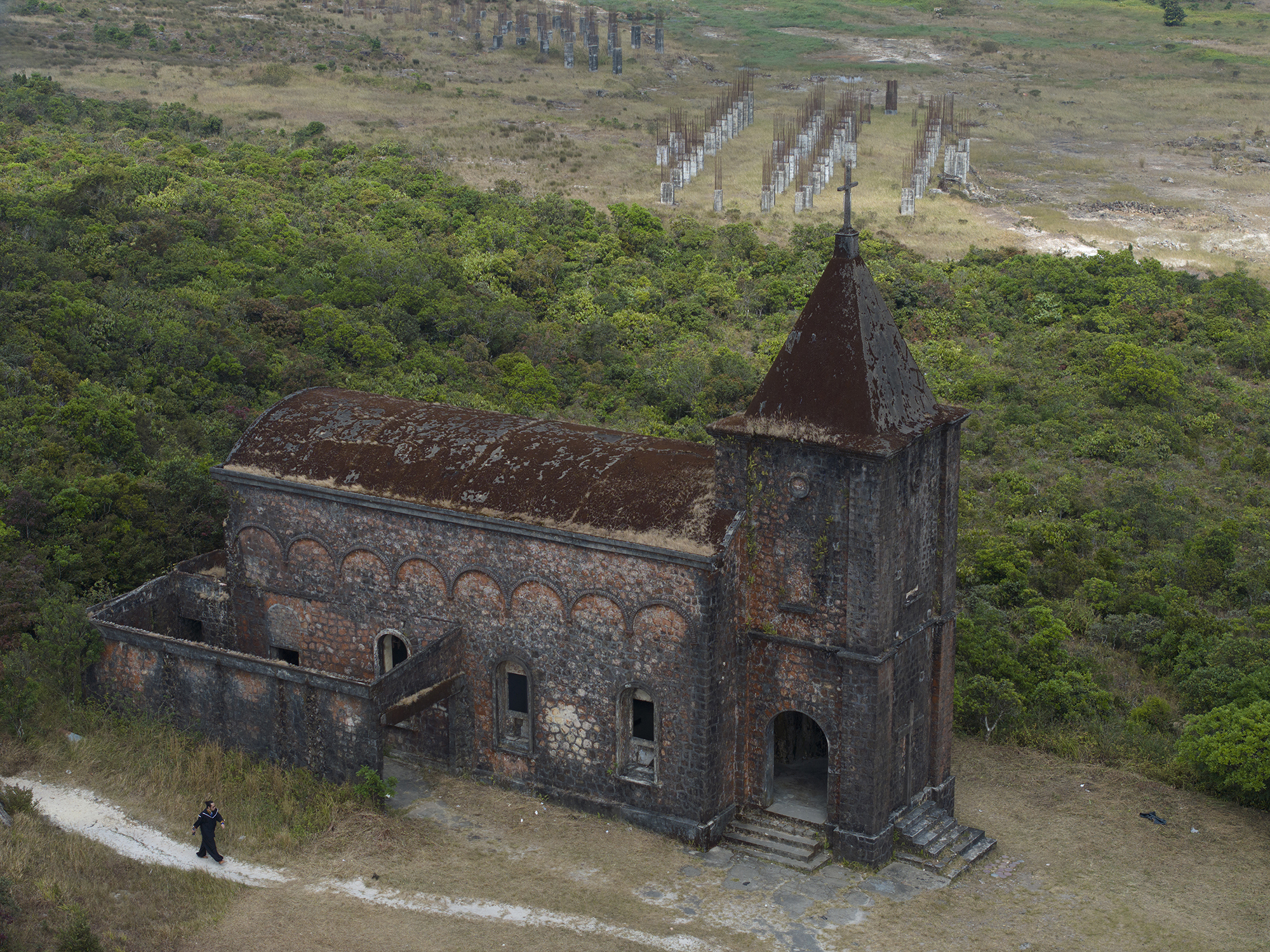
Every restoration project begins at a very precise moment—when initial observations are translated into action.
At Bokor Church, that moment does not arrive through immediate, large-scale transformation, but through small, controlled, and carefully considered steps.
Following the phases of survey and research, the first layers of data are gradually systematized. Structural conditions, the degree of stone weathering, areas at risk of instability—all begin to be clearly identified.
From this, initial priorities emerge.
Not the restoration of form.
Not the reconstruction of what has been lost.
But the protection of what remains.
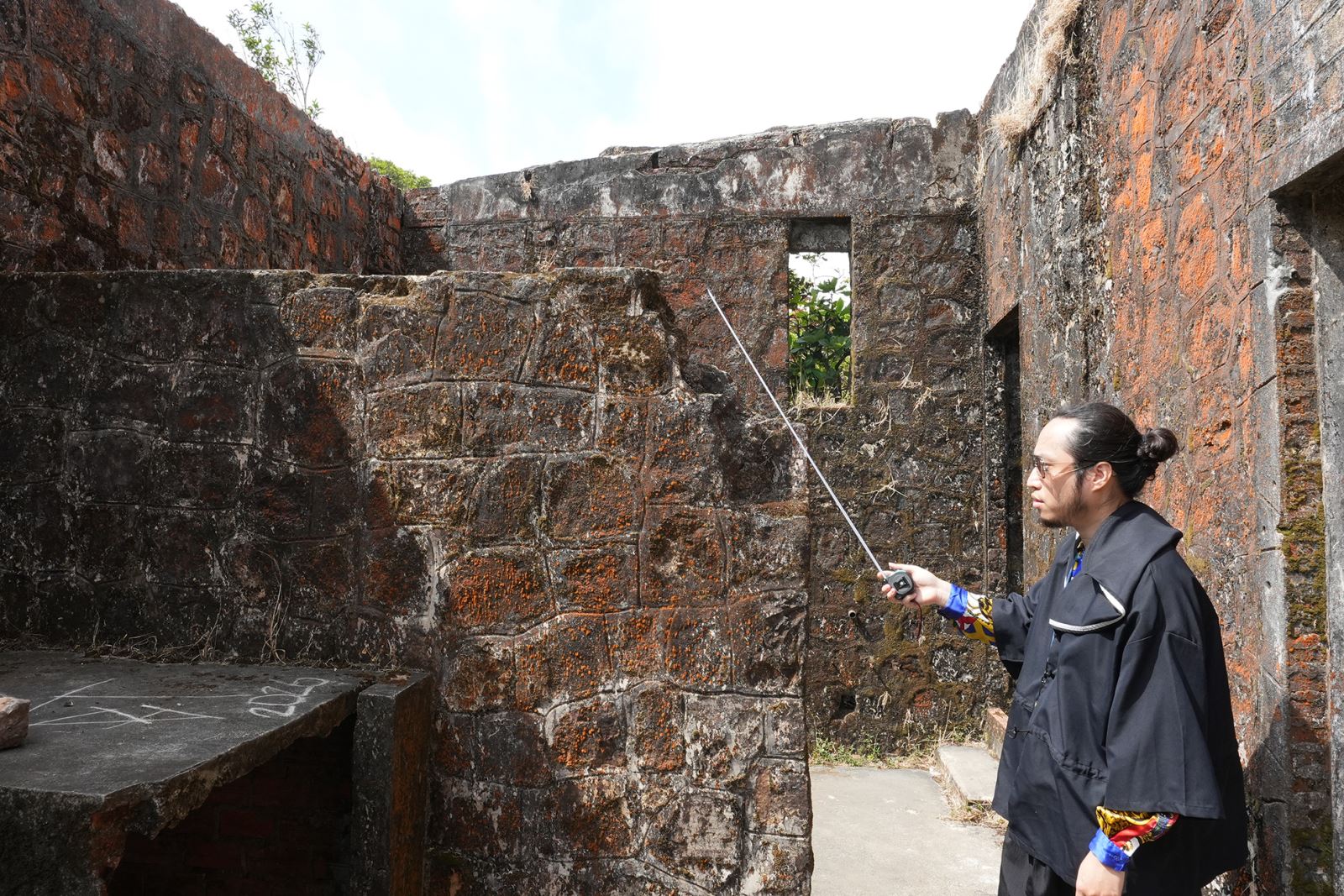
The first step in restoration, therefore, is not to “make the building more beautiful,” but to ensure that it can continue to exist safely.
This involves stabilizing areas at risk of structural failure, controlling factors that accelerate deterioration—such as water infiltration, humidity, and biological growth—and implementing temporary measures to prevent further damage from spreading.
These interventions are not always visible.
They do not produce immediate visual transformation, yet they form the essential foundation for everything that follows. Without this phase, any subsequent restoration effort risks lacking durability.
A key characteristic of these initial steps is their experimental and evaluative nature.
No solution is applied across the entire structure from the outset. Instead, approaches are tested at a small scale, monitored, and assessed before being expanded. This method minimizes risk and ensures that each decision is grounded in observed performance.
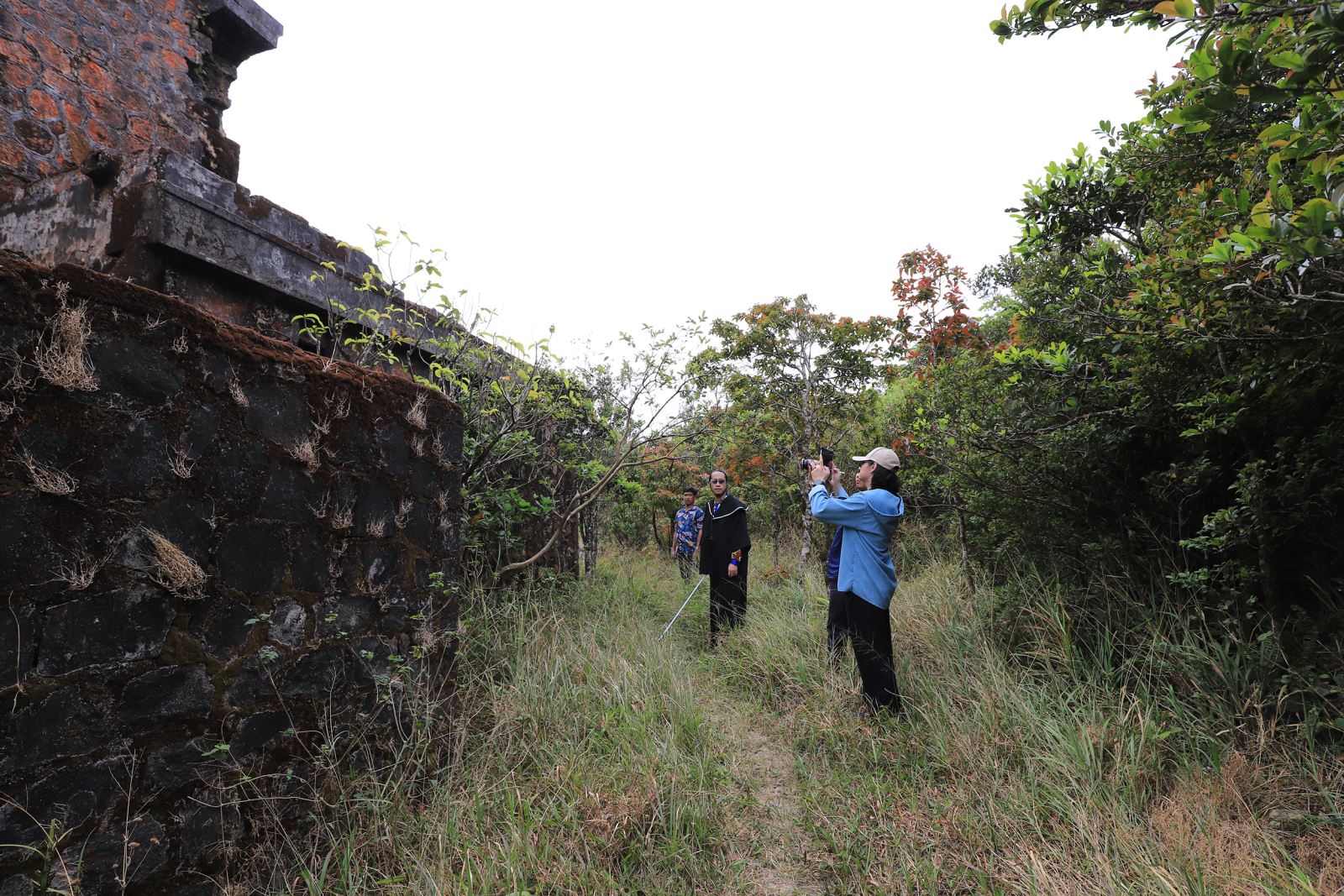
Alongside technical interventions, spatial organization and access control also begin to be considered.
Bokor Church is not only a monument to be preserved, but a place that will once again receive people. Defining safe access routes, identifying sensitive zones, and guiding movement flows are therefore necessary from the earliest stages.
Throughout this process, one principle remains constant: minimal intervention.
Do not do more than necessary.
Do not alter what can still endure.
And always preserve the ability to read the building after each intervention.
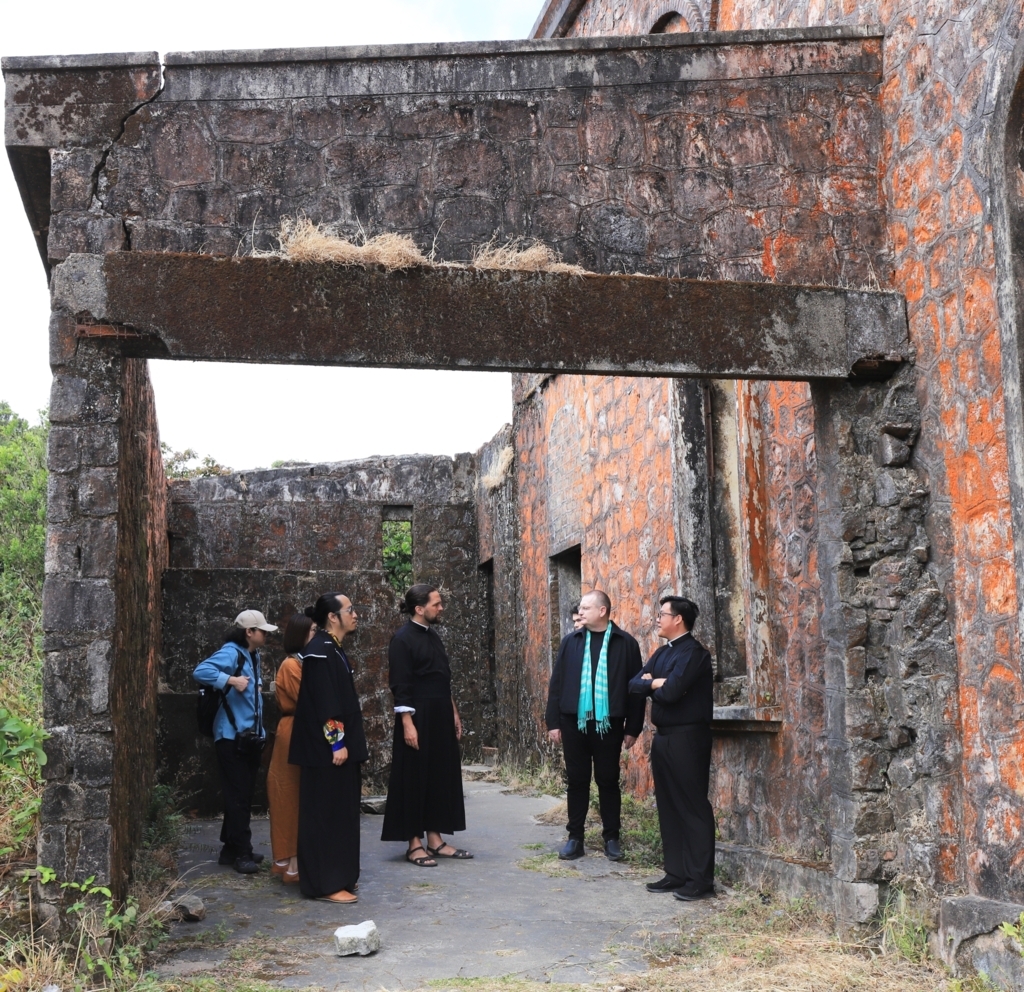
The first steps in the restoration of Bokor Church are therefore not demonstrative.
They unfold quietly, yet with precision.
And within that quietness, a solid foundation is gradually formed—one that will support the phases to come, where the structure is not recreated as something new, but allowed to continue existing with the full integrity of its inherent values
Bài viết khác
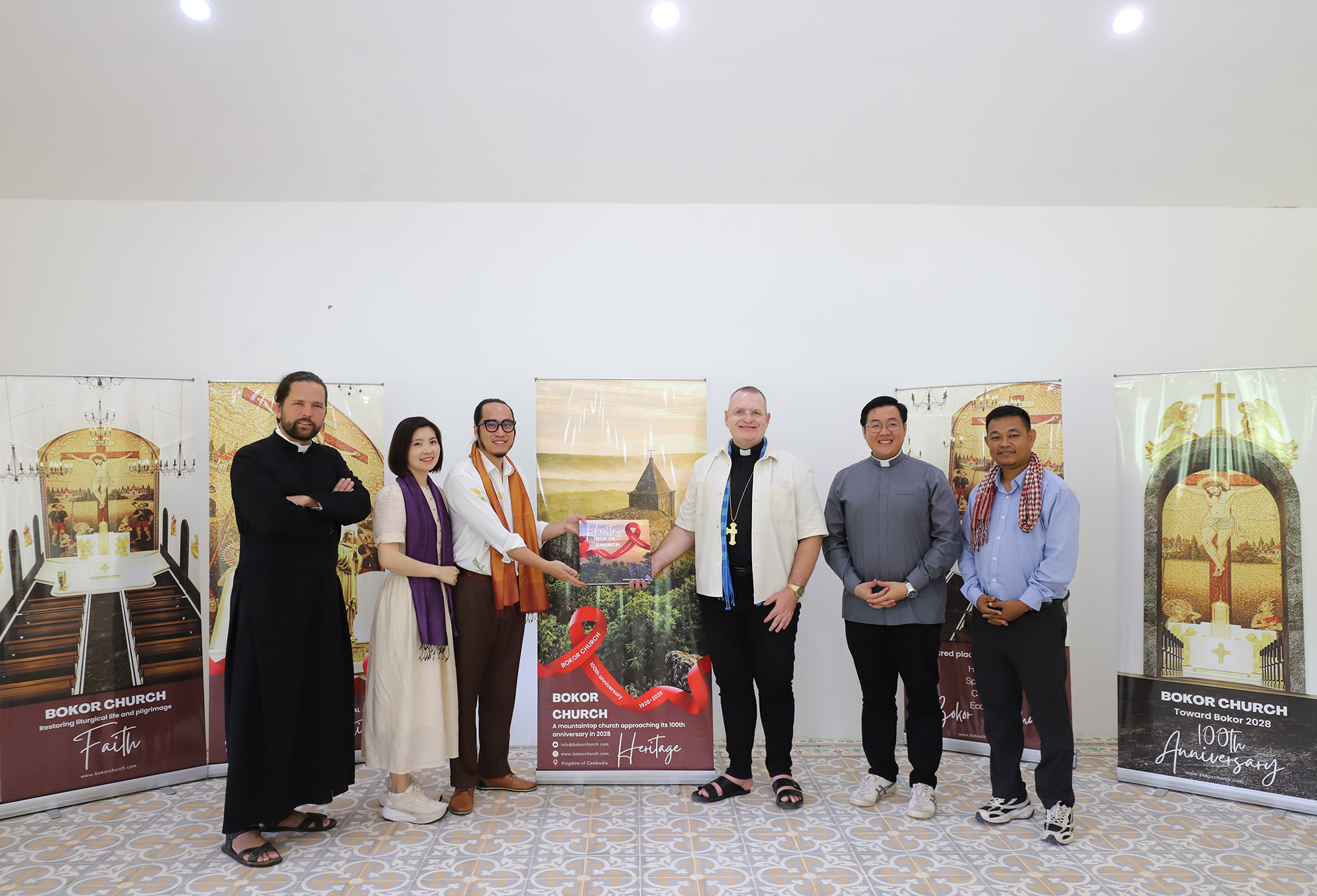
The Second Reunion of the Bokor Steering Committee
On Thursday, June 11, 2026, the Bokor Steering Committee convened its second reunion at the peaceful Eden Voar resort in Kep Province
-21-37-30-03.jpg)
PALM SUNDAY AT BOKOR CHURCH
On the morning of March 29, atop Bokor Mountain bathed in sunlight and wind, the Palm Sunday Mass
-15-59-24-03.jpg)
The Liturgical Future of Bokor
A religious building is only truly complete when it is used according to its original purpose.