Why Restoration Must Begin with Research
No serious restoration project can begin with design.
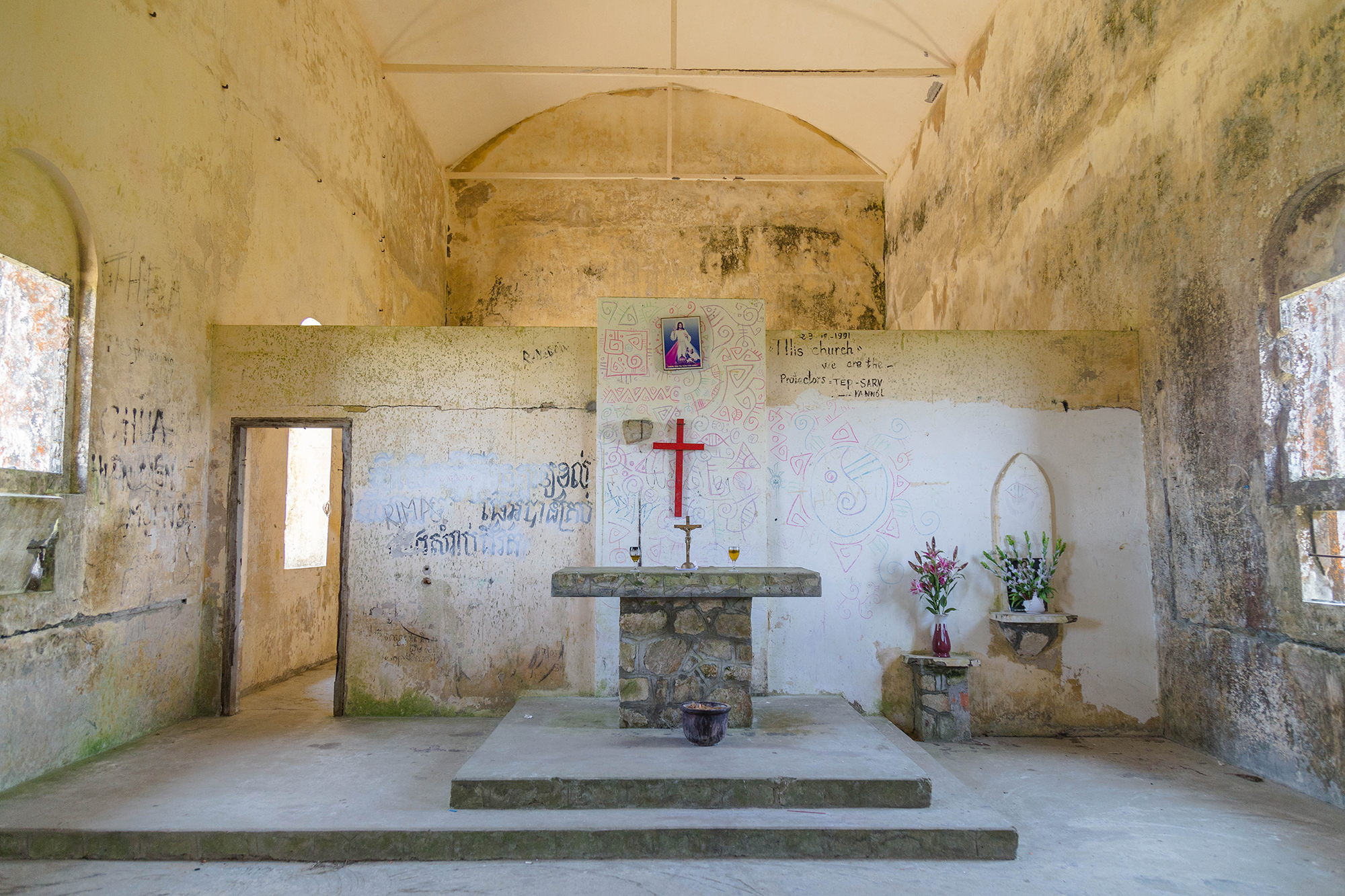
Before proposing any solution, what is most essential is to establish a solid foundation of understanding about the structure—not only in terms of its form, but also its structure, materials, history, and current condition.
For Bokor Church, this requirement becomes even more critical.
A building that has endured nearly a century under harsh climatic conditions, together with interruptions shaped by history, cannot be approached through assumption. Any decision not grounded in data carries risks—not only technical, but also in terms of distorting the heritage value of the site.
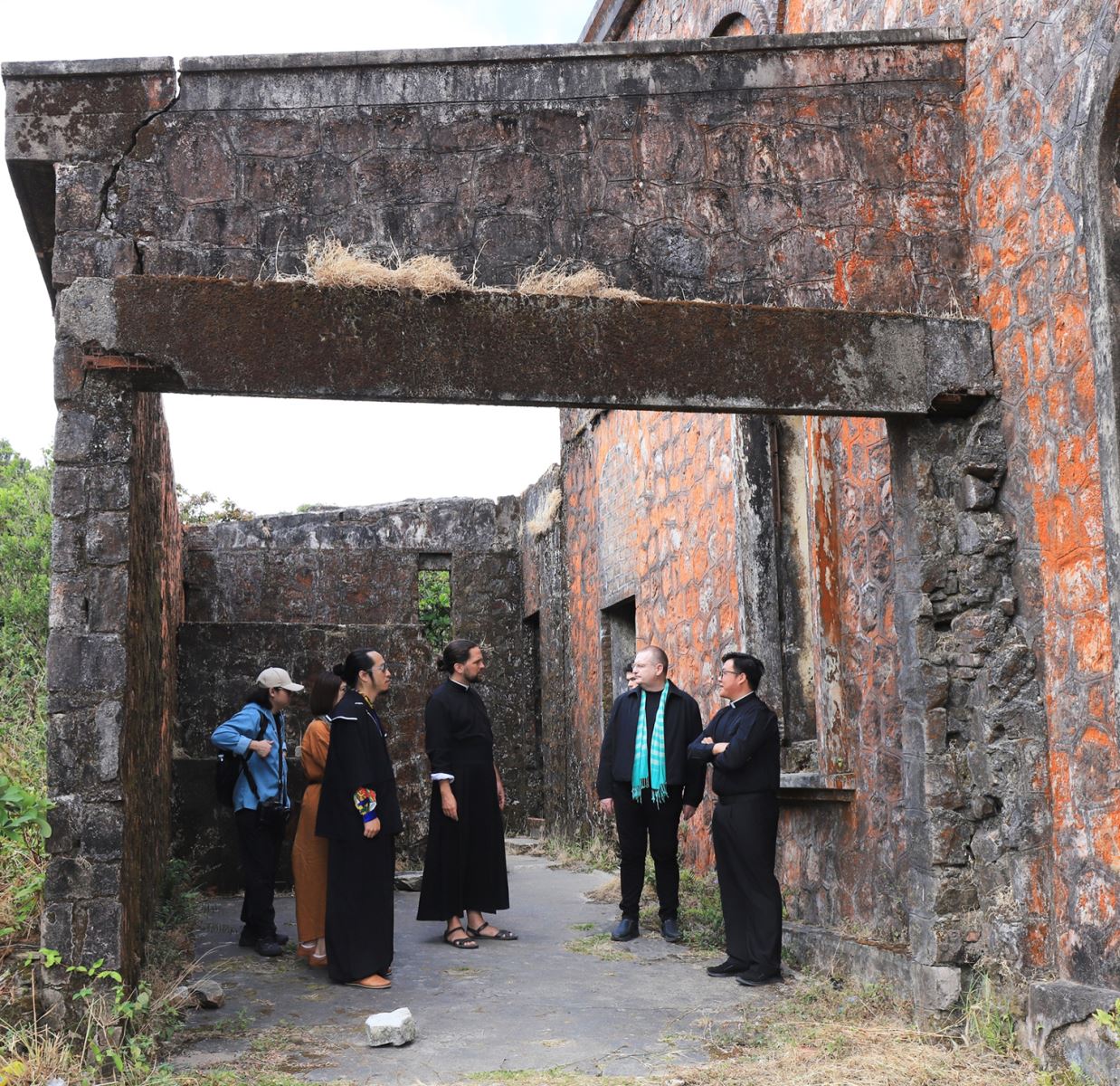
For this reason, restoration must begin with research.
In the context of conservation, research is not a vague concept. It consists of a series of concrete, interconnected steps.
First is the survey of existing conditions.
This goes beyond general observation, extending into detailed measurement, geometric recording, identification of deformations, and analysis of areas of deterioration. It is a step that defines precisely “the current state of the structure,” rather than relying on visual impression.
Next is documentation.
All collected information must be systematically organized: drawings, photographs, notes, and condition maps. Documentation serves not only the design process, but also the preservation of knowledge—so that the structure can continue to be studied and properly understood in the future.
Another essential step is the diagnosis of building pathologies.
This involves analyzing the causes of deterioration: why walls crack, why stone weathers, why certain areas decay faster than others. Without understanding these causes, any solution risks remaining superficial, with a high likelihood of recurrence.
From these steps, a comprehensive body of data gradually emerges.
Only then can solutions be proposed on a sound basis.
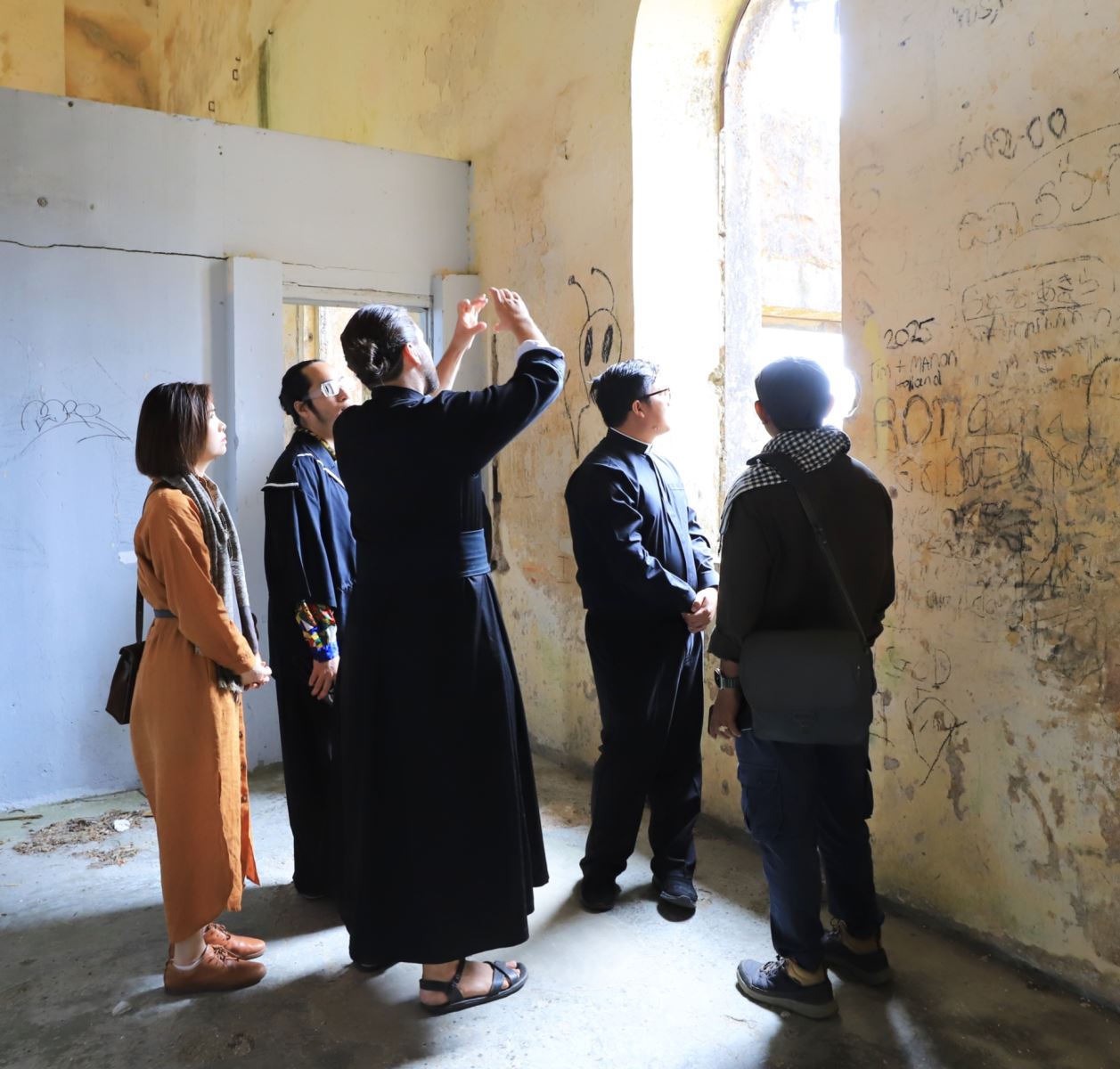
This also explains why design cannot be rushed.
In many cases, pressure for progress or the desire for quick results may lead to shortening the research phase. But in heritage conservation, speed does not mean correctness. An early mistake can lead to consequences that are difficult to reverse.
Conservation, therefore, is not merely a matter of emotion. It is a discipline grounded in science.
Every intervention must be verified, every material assessed for compatibility, every solution considered in relation to the entire structure. There is no place for unfounded assumptions.
For Bokor Church, research is not a secondary phase.
It is the foundation of the entire project.
It is through research that the principles of conservation are clearly established: prioritizing authenticity, ensuring minimal intervention, respecting historical traces, and maintaining harmony with the natural environment.
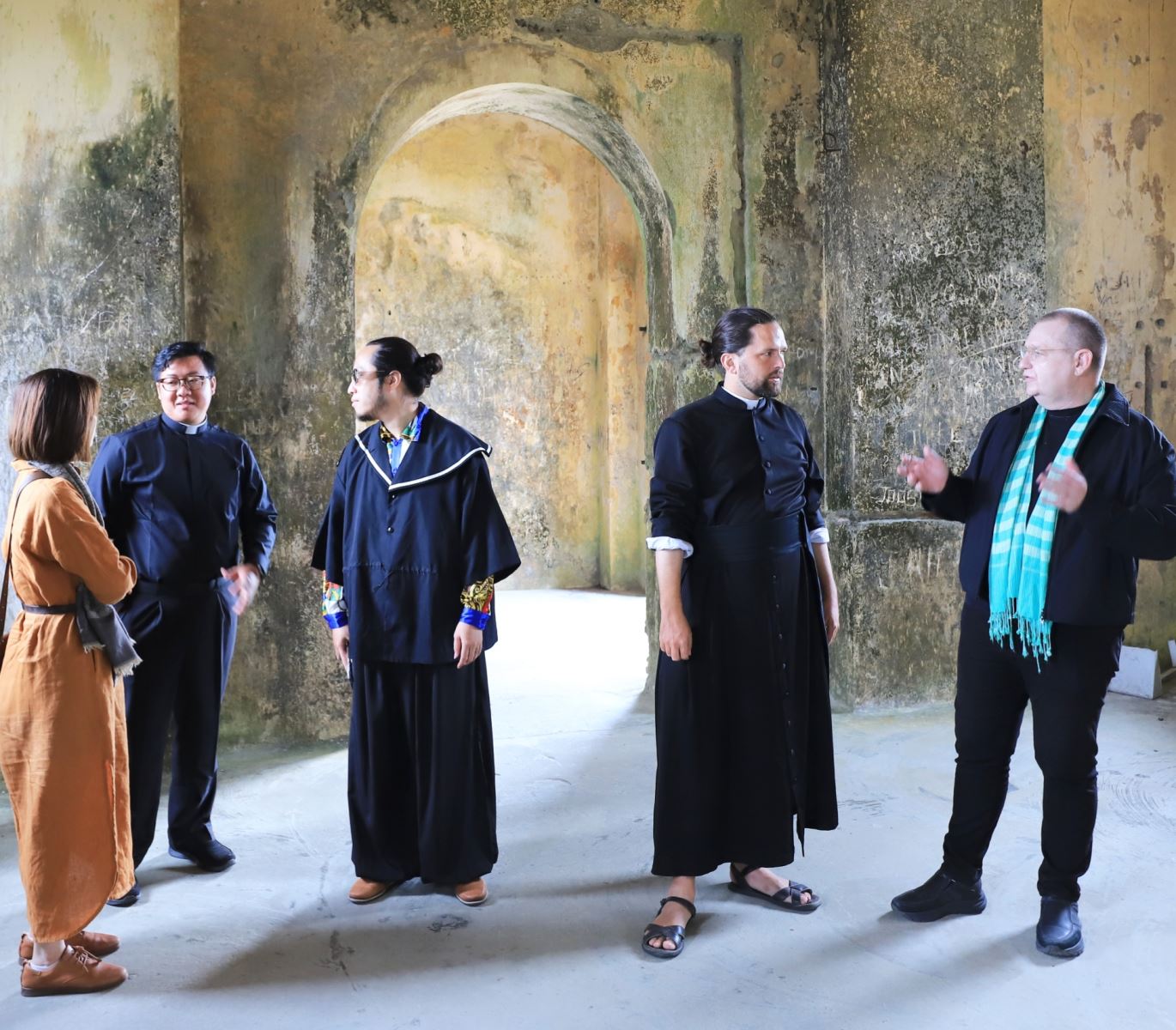
These principles do not arise from abstract theory.
They emerge from a careful reading of the building itself.
For this reason, beginning with research is not only a technical requirement.
It is a choice of approach—a choice that places understanding before action, and responsibility above every decision related to heritage.
In the restoration process of Bokor Church, research does not slow the journey.
It ensures that every step is grounded—and able to endure over time.
Bài viết khác
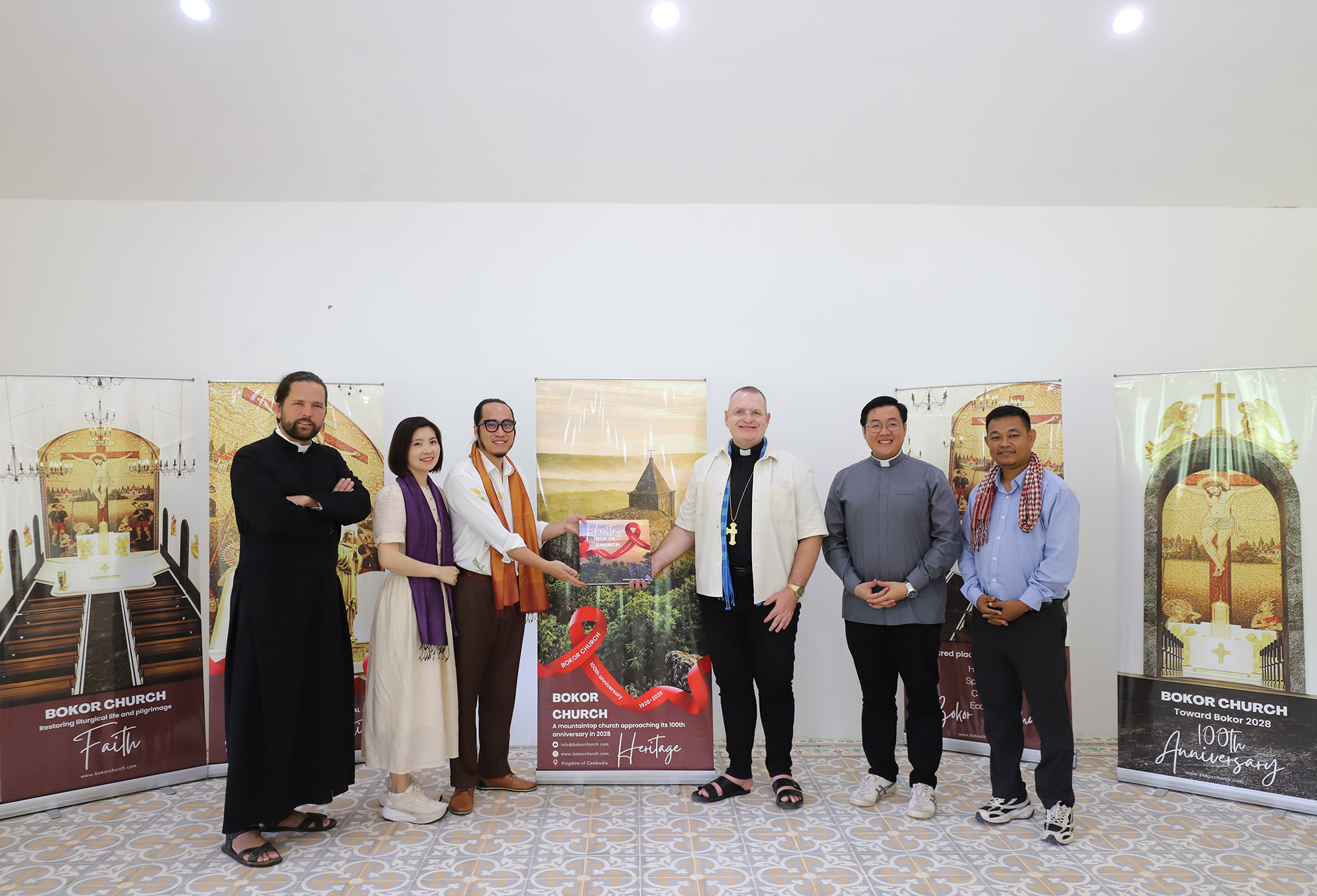
The Second Reunion of the Bokor Steering Committee
On Thursday, June 11, 2026, the Bokor Steering Committee convened its second reunion at the peaceful Eden Voar resort in Kep Province
-21-37-30-03.jpg)
PALM SUNDAY AT BOKOR CHURCH
On the morning of March 29, atop Bokor Mountain bathed in sunlight and wind, the Palm Sunday Mass
-15-59-24-03.jpg)
The Liturgical Future of Bokor
A religious building is only truly complete when it is used according to its original purpose.